Blog

  • Tutus for photoshoots: what photographs well

    Tutus for Photoshoots: What Our Team Has Learned About Photographing Designer Tulle Skirts

    We learned early on that cameras don’t romanticise. Without inherent structure, a tutu skirt collapses on screen into a flat, washed-out smudge. That lesson shaped every technique we now rely on to make designer tulle photograph as dramatically as it feels.

    Why Volume and Structure Matter More Than You Think

    A camera sees overlapping mesh, not airy fluff. True volume depends on multiple gathered tiers of tulle, each catching its own light. Cheap skirts collapse into a single plane, while a structured Tutu Moi piece retains its architectural silhouette because the layers push against each other to create permanent loft.

    Each layer works as a semi-transparent diffuser. Sunlight scatters through the top tier, shadows fill the next, and by the time light reaches the lining it glows from within. With up to eight distinct layers of premium netting, Tutu Moi skirts produce a three-dimensional halo that reads as depth, not flat fabric.

    Before a skirt reaches the set, we check the waistband. A proper designer piece conceals its engineering. Look for:

    • Wide, reinforced elastic encased in satin or grosgrain ribbon that spreads tension evenly.
    • Dense, uniform gathering with no bulky clumps.
    • Layers that fall independently and settle into a bell shape when shaken; inferior skirts cling together due to static or coarse netting, and that clumping shows as a flaw on camera.

    Choosing Colours That Pop on Camera

    Pale tutu skirts wash out under direct flash because sensors treat pastels as near-white highlights. We favour shades that hold chroma: inky blacks anchor a frame, emerald greens shift with light, deep burgundies add richness. Tutu Moi dyes are tested across colour temperatures to preserve pigment density from cool morning light to tungsten spill.

    Pastels demand meticulous light control. We underexpose them by two-thirds of a stop and rely on soft, diffused light. Jewel tones, by contrast, stay saturated and legible across wildly different lighting, making them forgiving workhorses for editorial sets.

    Saturated skirts bounce colour onto skin. To avoid colour casting:

    • Pull the skirt slightly away from bare skin where possible.
    • Use a subtle fill card on the opposite side to neutralise spill.
    • In post, apply a selective hue adjustment to skin tones if minor casts persist.

    Movement and the ‘Freeze Frame’ Moment

    Stillness kills tulle. We shoot motion at 1/1250th of a second on a 50mm lens, using burst mode to catch the exact instant the layers separate into floating discs. Back-button focus locks on the model’s face so autofocus doesn’t hunt as fabric whirls through the frame.

    We direct models beyond spinning: gathering and slowly releasing tulle so layers cascade like petals; walking away with a glance over the shoulder to trail the silhouette; a precise jump that sends the skirt floating upward. The goal is to capture genuine interaction, not stiff posing.

    Styling for the Editorial Edge

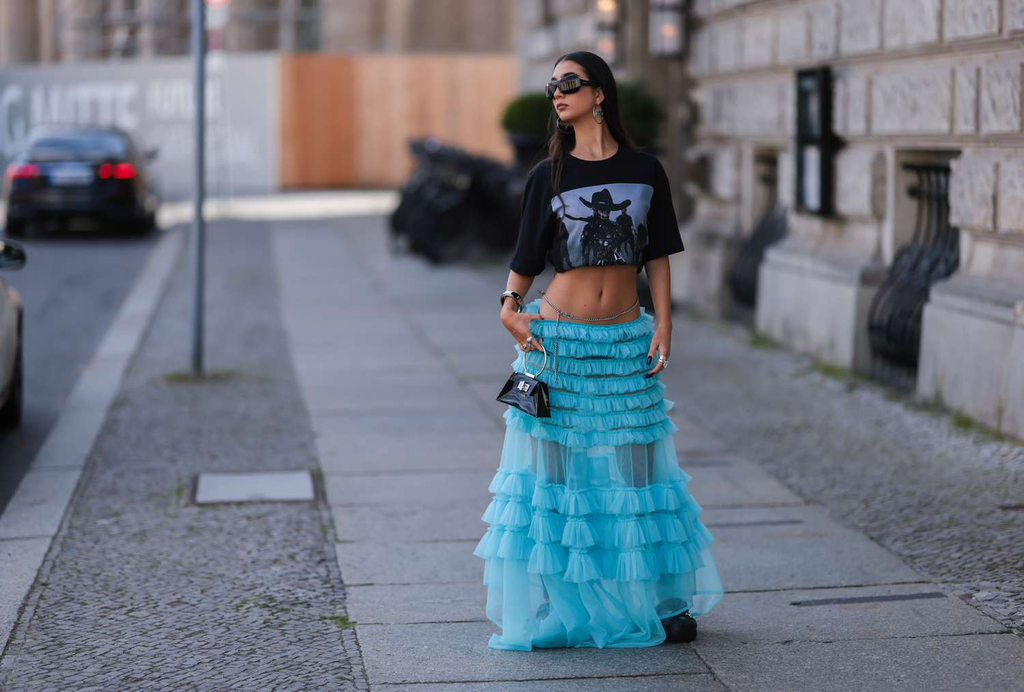
    We pair voluminous tulle with grounded elements to create tension. A black Tutu Moi midi skirt with a vintage band tee and scuffed Dr. Martens anchors the softness. A sharp Burberry trench over a blush tutu skirt slices through the fluff. That hard-soft clash gives the camera multiple textures to explore.

    Accessories should support, not shout. Minimal jewellery (thin chain, single signet ring), sleek pointed flats, or minimalist trainers keep the eye moving upward toward the volume. Avoid anything that competes at hem level—chunky ankle straps and busy patterns break visual flow.

    Location Scouting: Where Tutus Come Alive

    Pristine tulle against graffiti-streaked brick in Shoreditch or Brick Lane creates a raw counterpoint, with morning light carving through side streets. For a softer, cinematic mood, we head to the Peak District or the Scottish Highlands, where mist and heather wrap the skirt in muted romance. A weather-sealed kit and a steam-filled garment bag are non-negotiable in those elements.

    Post-Production Tricks for Flawless Tulle

    We edit with a light hand. A local clarity boost of +15 to +25 on the tulle, applied with a brush mask, sharpens the hexagonal netting and deepens the separation between layers without affecting skin or backgrounds. For debris trapped between layers, we use the spot removal tool and clone stamp at 80% opacity. Stubborn specks are handled with frequency separation—cleaning the texture layer while preserving colour information.

    FAQ

    What camera settings work best for photographing a tutu skirt in motion?

    Use a shutter speed of at least 1/1000s (1/1250s for full spins), continuous AF with back-button focus locked on the face, and high-speed burst mode.

    How do I stop a pastel tutu skirt from looking washed out?

    Underexpose by roughly two-thirds of a stop, use soft diffused light, and avoid direct flash. Flag any spill that may over-light the skirt in a studio.

    Can a tutu skirt be styled for an urban photoshoot?

    Yes. Pair Tutu Moi skirts with Dr. Martens, leather jackets, or a Burberry trench against gritty backdrops like Shoreditch to create intentional editorial contrast.

    What’s the best way to pack a designer tulle skirt for a location shoot?

    Hang it in a garment bag, lay it flat on top of equipment, and never fold or compress the layers. Bring a portable steamer to refresh the tulle before shooting.

    How many layers should a quality tutu skirt have?

    At least six to eight layers of premium netting. Each additional tier adds depth and light-catching potential, maintaining the dimensional cloud effect on camera.

    A successful photoshoot listens to the fabric. When a Tutu Moi piece is given room to breathe—against a Brick Lane mural or a Peak District ridge—the texture tells the story far better than any trick we could impose. The skirt leads. We just follow.

  • Layering tulle over slips and shorts

    How We Layer Our Designer Tulle Skirts Over Slips and Shorts

    We’ve all been there. Standing in front of the mirror, utterly in love with the frothy volume of a new designer tulle skirt, but suddenly paralysed by the sheer reality of it. Can you actually see my legs? Is this too much for the school run? Last spring, one of our team members nearly abandoned a stunning Tutu Moi piece in the changing room until a fellow shopper casually mentioned she always wears a little silk slip underneath. That single tip transformed a moment of panic into a lifelong styling obsession. It turns out, the secret to making a tutu skirt feel grounded isn’t hiding it away—it’s all about the clever base layer.

    Why We Always Reach for a Base Layer

    For us, layering isn’t just about covering up; it’s the foundation of the entire silhouette. A designer tulle skirt carries an inherent drama, and without a strategic anchor underneath, you risk the look wearing you. We view the base layer as the unsung hero that provides both physical comfort and visual structure. It allows us to enjoy the whimsy of a Tutu Moi piece while feeling completely secure, whether we’re navigating a gusty tube platform or bending down to pick up a dropped set of keys.

    The dual purpose here is critical. First, there is the obvious element of modesty. Many high-end tulle skirts, particularly those inspired by the sheer, ethereal qualities seen in collections by Molly Goddard or Simone Rocha, are designed to be transparent. This isn’t a flaw; it’s a deliberate design choice that plays with opacity and volume. A base layer lets you honour that airy intention without feeling exposed. Second, a good slip acts as a barrier. Anyone who has wrestled with yards of nylon tulle knows the frustration of static cling. The right underlayer stops the fabric from sticking to your tights or skin, ensuring the skirt floats freely around you rather than bunching up awkwardly.

    The Sheer Truth About Tulle

    Let’s be honest: a high-quality tulle skirt is often a study in transparency. The magic lies in the layers, but when the sun hits or a camera flash pops, those layers can reveal more than we bargained for. We’ve learned to embrace this rather than fear it. By accepting that the skirt itself is a semi-sheer window, we can treat the base layer as a deliberate part of the outfit, not a shameful secret. This mindset shift turns a potential wardrobe malfunction into a curated fashion moment.

    Smoothing the Silhouette

    Beyond modesty, the structural benefit is non-negotiable. Tulle is voluminous by nature, but it can often highlight lumps and bumps from everyday undergarments. A seamless base layer creates a smooth, uninterrupted line from waist to hem. It prevents the waistband of your tights from digging in and stops the skirt’s own seams from itching against your thighs. The result is a cleaner drape that makes the skirt look significantly more expensive and tailored.

    The Effortless Elegance of Silk Slips

    When the occasion calls for a touch of refinement, we instinctively turn to a silk or satin slip. There is a quiet luxury in pairing the raw, tulle texture with the liquid smoothness of silk. It’s our go-to formula for evening events, date nights, or anytime we want to feel a bit polished. The contrast in textures is visually stunning, but the practical benefits are equally compelling. A bias-cut slip naturally hugs the body, providing a sleek column that perfectly counterbalances the outward explosion of a Tutu Moi skirt without adding a single millimetre of bulk.

    We’ve found that high-street heroes often work just as well as designer counterparts here. A classic satin slip from Ghost or the underwear section at John Lewis offers the exact weight and drape we need. The key is the bias cut, which allows the fabric to move with you rather than riding up or restricting your stride. It’s a forgiving fit that flatters various body types and ensures the focus remains on the magnificent tulle swirling above it.

    Choosing the Right Length and Colour

    Length is the most common pitfall we see. The golden rule is that your slip should be shorter than your skirt, but only just. You want coverage when you’re static, but a deliberate flash of silk as you walk is incredibly chic. Aim for a hemline that sits roughly two inches above the tulle. As for colour, a match is safe, but a tonal shift is sublime. We often pair a champagne slip under an ivory Tutu Moi skirt for depth, or a navy slip under a sky-blue tulle for a sophisticated, shadowy effect.

    Fabric Matters: Why We Prefer Natural Fibres

    We’re staunch advocates for natural fibres. Polyester satin might look the part on the hanger, but it turns into a portable sauna after an hour of dancing. Silk and cotton breathe. They regulate your temperature, wick away moisture, and crucially, they don’t generate the static electricity that synthetic linings do. When you’re investing in a designer tulle skirt, it makes sense to surround it with materials that protect and enhance its beauty, rather than cheap synthetics that cause crackling and clinging.

    Structuring the Look with Tailored Shorts

    While slips whisper elegance, tailored shorts shout personality. This is our favourite trick for dragging a tutu skirt out of the ballroom and onto the pavement. Introducing a structured short underneath injects an androgynous, sharp edge that cuts through the sweetness of the tulle. It’s a visual tension that feels very modern and distinctly London. We love the juxtaposition of something so rigid and utilitarian peeking out from beneath something so frothy and feminine.

    One of our favourite weekend uniforms involves a high-waisted cotton poplin short worn under a classic midi tutu. Paired with a chunky fisherman’s knit and a pair of sturdy leather boots, it’s the perfect outfit for a crisp autumn walk across Hampstead Heath. The shorts provide physical warmth and peace of mind when the wind picks up, while the visible hemline adds a sporty, unexpected detail that always draws compliments.

    Cotton Poplin vs. Denim Cut-Offs

    We’ve experimented extensively, and the fabric of the short dictates the entire mood. A pressed cotton poplin short with a turn-up hem feels preppy and intentional, channeling a sort of editorial cool. Denim cut-offs, on the other hand, lean fully into festival territory. While we love a bit of frayed denim for a grungy contrast, we caution against heavy, bulky seams. Thick denim can distort the waistline of a delicate tulle skirt, creating a bulky silhouette around the midsection. Opt for a soft, well-worn vintage denim if you go that route.

    Balancing Proportions for Daytime

    Daytime tulle requires a careful balancing act. Because the skirt is so voluminous, we usually anchor it with something grounded on top. A slim-fitting bodysuit or a neat cashmere crewneck keeps the ratio in check. The tailored short peeking out the bottom then acts as a visual full stop, preventing the tulle from overwhelming your frame. It also gives you the freedom to stride confidently, knowing a sudden gust of wind won’t turn your skirt into a parachute.

    Navigating the UK Weather with Layering

    We know the reality of British summers often involves a chilly drizzle and a biting breeze, especially by the coast. A designer tulle skirt might seem like a fair-weather friend, but with the right base layer, it becomes a year-round staple. We’ve tested this theory extensively on the Brighton seafront, where the wind whips off the channel even in August. The solution lies in swapping flimsy slips for something with a bit more substance, proving that practical thermals and high fashion aren’t mutually exclusive.

    We refuse to let the weather dictate our style choices. Wearing a Tutu Moi skirt in a downpour isn’t about recklessness; it’s about preparation. A thermal base layer allows you to enjoy the seaside aesthetic without shivering. It’s about protecting the joy of dressing up from the damp reality of the UK climate, ensuring your tulle remains a symbol of celebration rather than a source of goosebumps.

    Thermal Layers That Don’t Look Frumpy

    The word “thermal” often conjures images of lumpy, utilitarian beige, but the market has evolved beautifully. We look for ultra-fine merino wool shorts or sleek heat-tech slips that lie flat against the body. The goal is to trap heat without adding visual weight. A thin, skin-tight merino short in a dark charcoal can look almost like a second skin under a black tulle skirt, adding significant warmth while remaining completely undetectable to the casual observer.

    Windy Day Solutions

    Wind is the arch-nemesis of the tulle enthusiast. A silk slip can become a liability in a strong updraft, clinging and flying up. For blustery days, we prefer the weight of a tailored short or a slip with a slightly heavier hem. The extra weight helps keep the underlayer grounded. We also swear by the “weighted hem” trick—some slips come with a small chain or a heavier lace trim at the bottom, which acts as a ballast against the wind, keeping your modesty intact as you walk along the pier.

    Playing with Colour and Contrast

    Once you’ve mastered the practicalities, the real fun begins. We’ve moved past viewing the base layer as a necessary evil and started treating it as a colour-blocking opportunity. Your underlayer is a secret canvas, and a flash of unexpected colour as you move can elevate a simple tutu skirt into a legitimate street-style moment. This is a trend we’ve watched explode at London Fashion Week pop-ups and shows, where fashion editors deliberately mismatch their linings to create a sense of depth and rebellion.

    Don’t be afraid to clash. A classic black Tutu Moi skirt is a blank slate, and it’s begging for a jolt of energy. We’ve experimented with neon orange and acid green slips underneath dark tulle, and the effect is electric. It’s not for the faint-hearted, but it’s a guaranteed way to signal that you’re in on the joke and you don’t take fashion too seriously. The sheer fabric acts as a filter, muting the neon just enough to make it wearable.

    Tonal Layering for a Lengthening Effect

    If clashing colours feels too loud, tonal layering is a sophisticated alternative that flatters the silhouette. By wearing a base layer in a shade that sits close to your skin tone or matches the skirt exactly, you create an unbroken vertical line. A blush pink skirt over a rose-gold slip looks intentionally monochromatic, making you appear taller and leaner. It’s a subtle trick that photographs beautifully and feels incredibly expensive.

    Unexpected Colour Pops

    We’re currently obsessed with the “dip-dye illusion.” By wearing a short that is a completely different colour to the skirt—say, a cobalt blue short under a pale grey tutu—the hem of the short reads as a deliberate, colour-blocked stripe. It’s a fantastic way to tie in a bright accessory, like a handbag or a shoe, without committing to a full head-to-toe colour drenching.

    Our Care Guide for Layered Tulle Outfits

    Investing in these layers means committing to a bit of care, but we’ve streamlined the process so it doesn’t feel like a chore. Tulle is surprisingly robust, but the delicate nature of silk slips and the structure of tailored shorts require a mindful approach. We treat our Tutu Moi skirts as heirlooms, and the base layers as their essential protectors. Sweat, skin oils, and environmental grime hit your slip first, so keeping that clean actually preserves the tulle itself.

    We’ve learned the hard way that a rushed laundry session can ruin a favourite silk slip in seconds. The key is separation and gentleness. Never throw a tulle skirt into a machine with anything that has a zip or a hook, as it’s a recipe for snags and tears. We prefer to handle everything by hand, using cool water and a very mild detergent specifically formulated for delicates.

    Washing Without the Snags

    For silk and satin slips, a quick swish in a clean basin with cool water and a drop of delicate wash is all it takes. Never wring silk; instead, roll it gently in a clean, dry towel to press the water out, then hang it to dry away from radiators. For tulle, spot-cleaning is usually sufficient. If a full wash is needed, fill a bathtub with cool water, submerge the skirt, and gently agitate. The dirt will release, but the shape will remain. Rinse until the water runs clear and hang the skirt to drip-dry over the bath.

    Storage Solutions for Small UK Flats

    Space is a premium in most UK homes, and a voluminous tutu skirt can feel like a demanding lodger. We never fold our tulle, as it crushes the loft and creates permanent creases. Instead, we hang them high. Use a padded hanger or a garment bag hook and hang the skirt from the waistband loops. A breathable cotton garment bag is essential to keep dust off while allowing the fabric to breathe, preventing that stale, yellowed look. Store it away from direct sunlight to avoid fading, and if space is really tight, a steam from a handheld steamer will instantly revive any squashed layers.

    Ultimately, we’ve found that layering transforms a designer tulle skirt from a special-occasion-only piece into a genuine wardrobe workhorse. It’s a creative styling tool that lets us adapt to the unpredictability of British weather, express our mood through colour, and walk with absolute confidence. Whether we’re shielding ourselves from the Brighton breeze with merino wool or flashing a neon slip at a gallery opening, the base layer is what makes the fantasy of tulle a practical, everyday reality, rain or shine.

    FAQ

    Will a slip ruin the volume of my Tutu Moi skirt?

    Not if you choose the right one. A bias-cut silk or satin slip lies completely flat against the body and has no bulk of its own. It creates a smooth sheath that actually enhances the outward projection of the tulle by preventing the layers from catching between your legs.

    Can I wear a tutu skirt in the rain without ruining it?

    Absolutely. Tulle is a synthetic mesh that dries surprisingly quickly and doesn’t lose its shape when wet, unlike natural fibres. The real risk is the hem dragging in puddles. We recommend pairing it with a thermal base layer to keep warm and simply hanging the skirt to dry naturally once you’re home.

    What colour slip should I wear under a white tulle skirt?

    We always recommend a slip that matches your skin tone. Wearing stark white under white tulle often creates a high-contrast, visible silhouette that can look a bit like a petticoat. A nude-to-you or champagne shade disappears completely, maintaining the ethereal, floating effect of the skirt.

    Are tailored shorts visible under a very full tutu?

    Usually, no. The volume of a designer tulle skirt like Tutu Moi is generous enough to conceal the body of the shorts while you are standing or walking. They typically only become visible when you sit, cross your legs, or when a strong gust of wind lifts the outer layers, which is precisely when you want that stylish coverage.

  • Custom orders: how our process works

    Custom Orders at Tutu Moi: How Our Process Works for Your Dream Designer Tulle Skirt

    We’ve all been there—endlessly scrolling through rails of dresses that are almost right but not quite. The colour feels slightly off, the hem sits at an awkward length, or the waistband simply refuses to cooperate with your actual shape. At Tutu Moi, we believe a designer tulle skirt should never feel like a compromise. Our philosophy is refreshingly straightforward: every tutu skirt we create should feel as unique as the person wearing it, crafted to move with you rather than against you. That’s why we’ve built our entire custom process around genuine collaboration, taking you from initial spark of inspiration through to a finished piece that feels entirely, unmistakably yours.

    Why Go Custom With Your Designer Tulle Skirt?

    Off-the-rack sizing operates on averages, and very few of us are actually average. Standardised measurements force you to choose between a waist that gapes or hips that pull, and high-street designs tend to follow trends rather than celebrating individual style. When you’re investing in a tutu skirt for a milestone occasion, those compromises simply aren’t acceptable. Our custom Tutu Moi process eliminates the guesswork entirely, giving you control over every element while we handle the technical expertise behind the scenes.

    We work from your specific measurements rather than a generic size chart, which means we can accommodate the nuances that mass production ignores—a narrower ribcage, a longer torso, or a waist-to-hip ratio that falls outside standard proportions. For UK customers attending events like Ascot, where you’ll be on your feet for hours moving between enclosures and hospitality suites, this precision matters enormously. A tutu skirt that fits perfectly stays comfortable from the first race through to the final toast, without requiring constant adjustment or causing that dreaded end-of-day discomfort.

    Walk through any department store and you’ll spot the same handful of silhouettes repeated across brands. Going custom with Tutu Moi means stepping into a world where your skirt doesn’t exist until we create it together. You’re not limited to this season’s palette or a designer’s pre-determined vision. Whether you’re dreaming of a floor-sweeping ballerina length for a black-tie gala or a playful tea-length piece for a summer wedding, the direction is entirely yours.

    Step 1: The Initial Consultation and Your Vision

    Every Tutu Moi custom order begins with a detailed digital conversation—no forms to fill out in isolation, no automated responses. We want to understand not just what you’re looking for, but the story behind it. Where will you wear this piece? What made you fall in love with tulle in the first place? These details shape every decision that follows, so we take our time getting this stage right.

    We actively encourage clients to share Pinterest boards, saved Instagram posts, or even photographs of paintings and interiors that capture a particular mood. Some of our most memorable designs have grown from unexpected references—a watercolour sky above the Cotswolds, the gilded ceiling of a favourite restaurant, the way light moves through a stained-glass window. We also love hearing about your venue. A wedding reception at Claridge’s calls for something dramatically different than a garden party in the Cotswolds, and understanding your setting helps us guide you toward choices that will feel harmonious in situ.

    During this initial exchange, we’ll talk through the fundamentals that define a tutu skirt’s personality. Are you drawn to a classical midi length or something more dramatic? How many layers of tulle feel right to you—airy and ethereal, or structured and statement-making? We’ll discuss silhouette options ranging from gentle A-line shapes to fuller ballerina-inspired volumes, always keeping your event and personal comfort at the centre of the conversation.

    Step 2: Selecting Your Signature Silks and Tulles

    This is where things get wonderfully tactile. We’ve spent years curating relationships with the finest textile suppliers, and our collection of luxury materials reflects that dedication. From the softest Italian tulle that floats rather than scratches, to silks that catch and hold the light with every movement, every fabric we offer has been chosen because it performs beautifully in a tutu skirt’s demanding structure.

    We don’t expect you to make decisions based on screen colours alone—digital displays simply can’t capture the depth of a dusty rose silk or the subtle shimmer running through a metallic tulle. Our team carefully curates a selection of swatches based on your initial consultation and posts them directly to your UK address. You’ll be able to hold the fabrics against your skin, see how they behave in natural light, and drape them alongside any accessories or complementary pieces you’re planning to wear.

    Perhaps you’re coordinating with a specific flower arrangement, matching a partner’s tie or cummerbund, or working within a wedding’s carefully planned palette. We guide you through our colour options with real precision, considering how different tulles read at varying distances and under different lighting conditions. We also factor in the unpredictable British weather—certain shades take on a completely different character under grey skies versus bright summer sunshine, and we’ll help you select tones that remain flattering regardless of what the forecast delivers.

    Step 3: The Art of Construction in Our UK Atelier

    Once your materials are confirmed, your tutu skirt moves into the hands of our skilled artisans. This isn’t assembly-line production—every piece is cut and constructed individually, with techniques that honour traditional craftsmanship while incorporating modern engineering where it improves the finished garment.

    Our Italian tulle arrives in generous lengths and is cut by hand to ensure each layer falls precisely as intended. Machine cutting can compress or distort delicate tulles, so we take the slower, more careful route. Each tier is gathered and attached individually, building volume gradually while maintaining the lightness that makes a Tutu Moi skirt so wearable. The stitching techniques we use have been refined over years of specialising in this single garment type—we know exactly how tension, stitch length, and thread choice affect the drape and durability of the finished piece.

    The elements nobody sees are often the ones that matter most. We reinforce every waistband with internal structuring that prevents rolling or digging during long events—whether you’re dancing at a London ball or navigating a full day at the Edinburgh festival, your tutu skirt should feel secure without making its presence known. Silk linings are finished with French seams that eliminate irritation against the skin, and we pay particular attention to how the waistband closure sits, ensuring it remains flat and discreet.

    Step 4: Fittings, Feedback, and Final Tweaks

    Transparency defines our approach throughout the making process. We don’t disappear behind closed doors once your order is placed—we keep you involved at every meaningful milestone, inviting your feedback and making adjustments as needed.

    As your tutu skirt takes shape, we send detailed progress imagery showing the construction at key stages. You’ll see your chosen tulles layered together for the first time, the waistband taking form, and the overall silhouette emerging. These updates give you the opportunity to confirm that everything aligns with your vision, and they’re also genuinely exciting moments in the journey—watching something you helped design come to life is a particular kind of satisfaction.

    If your timeline allows, we create a physical toile for fittings before cutting into your final fabrics. This becomes especially valuable when we’re dialling in the hem length. We’ll ask about the exact shoes you plan to wear—heel height makes a significant difference to how a tutu skirt falls—and adjust accordingly. The goal is a hem that grazes precisely where you want it, whether you’re wearing classic courts, strappy sandals, or something more adventurous.

    Receiving Your Tutu Moi Masterpiece

    The moment your completed tutu skirt arrives marks the culmination of our collaboration—and we’ve put considerable thought into making that unboxing experience feel worthy of the craftsmanship inside.

    Your Tutu Moi piece arrives in protective packaging designed to preserve the skirt’s structure during transit while minimising environmental impact. We’ve moved away from single-use plastics in favour of recyclable and reusable materials that do the job without unnecessary waste. Inside, your skirt is presented ready to wear—no steaming required, no creases to contend with. Simply lift it from the box and it’s prepared for its first outing.

    We include detailed care instructions with every order because we want your tutu skirt to remain a staple for years to come. Tulle benefits from hanging rather than folding, and we recommend a breathable garment bag for storage—particularly important whether you’re keeping it in a compact London flat or a spacious countryside wardrobe where temperature and humidity can fluctuate. Spot cleaning and occasional professional dry cleaning will maintain the fabric’s integrity far longer than frequent washing, and we’re always available to advise on specific care questions down the line.

    Frequently Asked Questions

    Here are the questions we hear most often from clients beginning their custom journey:

    • How long does the custom Tutu Moi process take from start to finish? We typically recommend allowing six to eight weeks for a fully custom designer tulle skirt, though we can accommodate tighter timelines for an additional rush fee. The consultation and swatch selection phase moves at your pace, while the construction period is more fixed due to the hand-work involved. If you’re working toward a specific event date, we suggest reaching out as early as possible so we can build a schedule that ensures everything arrives with time to spare.
    • Can I order a custom tutu skirt if I’m not based near your atelier? Absolutely—our entire process is designed to work seamlessly for clients across the UK. Swatches are posted directly to you, consultations happen digitally, and we ship finished pieces nationwide. We’ve created tutu skirts for events from Ascot to the Edinburgh festival without ever requiring an in-person visit, though you’re always welcome at our atelier if you’d prefer a face-to-face consultation.
    • What if I change my mind about a design element partway through? We build flexibility into our timeline precisely because we understand that preferences can evolve. Minor adjustments—like tweaking the number of tulle layers or adjusting hem length—are typically straightforward if caught before construction reaches its final stages. Significant material changes may incur additional costs and extend the timeline, but we’ll always be upfront about what’s possible and what the implications would be.
    • Do you offer custom tutu skirts for children or teenagers? We do, and these commissions hold a special place in our hearts. Whether it’s a flower girl dress for a wedding at Claridge’s or a birthday piece for a young dancer, we apply the same meticulous standards to every garment regardless of the wearer’s age. We do recommend building in a little extra growing room for younger clients, and we’re happy to advise on how to achieve that without compromising the skirt’s current fit.
    • How do I start my custom Tutu Moi order? Simply reach out through our contact page with a brief description of what you’re envisioning—the occasion, any colour preferences, and your general timeline. From there, we’ll schedule your initial consultation and begin the journey toward your dream tutu skirt together.

    A custom Tutu Moi piece represents an investment in slow fashion and genuine personal joy—a garment created thoughtfully, worn meaningfully, and kept lovingly. There’s nothing quite like the feeling of stepping into a designer tulle skirt made entirely for you, knowing that every stitch, every layer, and every design decision reflects your own taste and story. We’d love to hear what you’re dreaming up, and we’re ready to start that conversation whenever you are.

  • Colour matching tulle with tops

    How to Colour Match Tops with Your Designer Tulle Skirt

    We’ve all been there. You’re standing in front of the wardrobe, a beautiful designer tulle skirt in hand—perhaps the Tutu Moi ‘Blush’ midi that arrived so beautifully packaged you almost didn’t want to disturb the tissue paper—and suddenly, the colour wheel feels like a complex mathematical equation. After countless styling sessions in our studio, our team finally cracked the code. This isn’t just about picking a top; it’s about creating a dialogue between two pieces that lets the tulle sing without shouting.

    Why the Tutu Skirt Demands a Colour Strategy

    A tutu skirt is never a background player. Unlike a simple A-line midi or tailored trousers, the volume and texture of designer tulle skirts from Tutu Moi command immediate attention. The layers of gossamer fabric create a visual footprint that anchors your entire outfit, which means the top you choose isn’t merely a companion piece—it’s the balancing force that prevents the look from tipping into costume territory. We’ve learned that treating colour selection as a strategic decision transforms how you wear tulle in everyday life.

    Our team coined the term “Statement Anchor Principle” after noticing how a Tutu Moi skirt behaves in an outfit. It grounds the silhouette with its structure and presence. The eye naturally gravitates toward the volume first, so the colour you introduce up top needs to either harmonise so seamlessly that the entire look reads as one continuous line, or contrast so deliberately that the intentionality is unmistakable. British Vogue often features tonal tulle styling, and the common thread is always this anchored approach—never accidental, always considered.

    Monochromatic Magic: Tonal Pairing for Effortless Chic

    There’s a reason the front rows at London Fashion Week are filled with tonal dressing. When you match a Tutu Moi blush tulle skirt with a deeper rose silk camisole, something alchemical happens. The eye travels uninterrupted from hem to neckline, elongating the silhouette in a way that feels both expensive and effortless. Our team relies on this monochromatic approach whenever we want to look put-together without appearing as though we’ve tried too hard. The key is staying within the same colour family while varying the depth of shade.

    The Tutu Moi ‘Blush’ midi skirt is one of our best-selling shades in the UK market, and for good reason. It serves as a neutral canvas that welcomes tonal layering. We love pairing it with a champagne silk blouse for wedding receptions, or a deeper terracotta bodysuit for autumn evenings. Ivory tulle skirts sing alongside cream cashmere, while nude tones create a leg-lengthening effect that works beautifully for petite frames. The palette feels inherently luxurious without ever veering into bridal-only territory.

    The Contrast Code: Making Your Tulle Pop

    If monochromatic is a whisper, contrast is a declaration. Breaking out the colour wheel and deliberately choosing opposites creates a visual tension that feels dynamic and fashion-forward. We’ve spent countless mornings testing combinations that push boundaries while remaining wearable, and the results consistently prove that the right contrast can elevate a tutu skirt from pretty to powerful.

    The pairing of a classic black Tutu Moi tutu skirt with a crisp optic white poplin shirt is our go-to London street-style look. It’s graphic, confident, and nods to the city’s architectural palette. A classic Breton top is a fail-safe French-girl contrast piece, introducing subtle navy stripes that soften the starkness while maintaining high-contrast impact. For those ready to venture beyond neutrals, the colour wheel offers exhilarating possibilities. A navy Tutu Moi skirt paired with a mustard yellow knit creates a warm-cool tension that feels intellectual and artistic. Emerald green tulle alongside a cobalt blue silk top is a jewel-toned triumph that works especially well for evening events.

    Texture Meets Colour: Knitwear and Satin Pairings

    Colour doesn’t exist in a vacuum. The fabric you choose alters how a shade is perceived, which is why our team always considers texture as an extension of the colour conversation. A pastel yellow tulle skirt reads differently depending on whether it’s paired with a chunky cream Aran knit or a liquid satin camisole, and understanding this relationship unlocks an entirely new level of styling sophistication.

    Matte textures absorb light, which means they ground bright or pastel tulle skirts in a way that feels approachable and seasonless. The unpredictable UK weather makes layering a neutral knit essential for tulle styling, and we’ve found that a soft grey cashmere crewneck can make even the most dramatic Tutu Moi piece feel appropriate for a casual coffee run. Where matte fabrics subdue, silk and satin amplify. A jewel-toned Tutu Moi skirt paired with a silk top in a complementary shade creates a luminous, almost liquid effect that catches the light with every movement.

    Seasonal Swaps: Adapting Your Palette for the British Calendar

    Living in the UK means dressing for four seasons that often arrive in a single afternoon. Our team has developed a seasonal framework for tulle colour pairings that acknowledges the shifting light and practical demands of the British social calendar. The same Tutu Moi skirt can traverse summer garden parties and winter weddings with just a thoughtful top swap.

    When the sun finally makes a committed appearance, our tulle colour pairings lighten accordingly. A Tutu Moi blush skirt paired with a crisp white linen shirt feels fresh and optimistic, while lavender tulle alongside a butter-yellow camisole channels the joy of a proper British summer. As autumn arrives, burgundy tulle skirts paired with ochre knits echo the turning leaves, while forest green tulle layered with chocolate brown cashmere feels grounded and luxurious. Winter calls for jewel tones—amethyst, sapphire, garnet—paired with inky darks that absorb the low, golden light of December afternoons.

    Our Team’s Top Three Foolproof Colour Matches

    After all the experimenting, debating, and documenting, we’ve distilled our findings into three absolute no-fail combinations that survive the morning rush, unexpected Zoom calls, and last-minute invitations.

    The Date Night Formula

    The Tutu Moi ‘Midnight’ skirt with a dove grey cashmere roll-neck is our collective obsession. The dark tulle feels romantic and mysterious, while the soft grey knit introduces an approachable softness that keeps the look from feeling overly formal. Add a red lip and a leather jacket, and you’ve got an outfit that works for dinner in Soho or cocktails in Shoreditch.

    The Office-Appropriate Edit

    We’ve cracked the code for making tulle work in a professional setting. A knee-length black Tutu Moi skirt paired with a navy silk blouse and a tailored blazer reads as creative rather than costume. The key is keeping the tulle layer relatively streamlined and the top colours firmly within a corporate palette—think navy, cream, charcoal, and soft white.

    The Wedding Guest Staple

    For wedding season, our team swears by the Tutu Moi ‘Blush’ midi paired with a deeper rose or mauve silk camisole. The tonal approach feels celebratory without competing with the bride, and the silk adds a festive lustre that photographs beautifully. We’ve worn this combination to ceremonies in Oxfordshire barns and receptions in Marylebone townhouses, and it never misses.

    Colour theory provides the map, but personal confidence is the destination. We’ve shared the principles, combinations, and seasonal strategies that guide our own choices, but the real magic happens when you treat your Tutu Moi skirt as a canvas for self-expression. Whether you’re drawn to tonal subtlety or bold contrast, the right colour pairing is the one that makes you stand a little taller and smile a little wider. Trust your instincts, experiment boldly, and remember that the best-dressed women are the ones who look like they’re enjoying themselves.

    Frequently Asked Questions

    Can I wear a printed top with a designer tulle skirt?

    Absolutely. Our team recommends keeping the print scale in mind—small, delicate patterns like micro-florals or subtle stripes work beautifully without competing with the tulle’s texture. A classic Breton stripe top is a perennial favourite that introduces pattern while maintaining a clean, graphic look.

    What colour shoes should I wear with a coloured tulle skirt?

    Nude or skin-tone shoes are our default for elongating the leg line, especially with pastel or bright tulle skirts. For darker skirts, black or metallic footwear creates a cohesive finish. We generally avoid matching shoes exactly to the skirt colour, as it can feel overly coordinated.

    How do I style a white tulle skirt without it looking bridal?

    The secret is introducing casual, contrasting textures up top. A chunky grey knit, a denim jacket, or a black leather biker jacket instantly pulls a white tulle skirt out of bridal territory and into everyday territory. Avoid ivory satin or lace tops, which can tip the look toward wedding-appropriate.

    How do I transition a pastel tulle skirt from summer to autumn?

    Layer a fine-gauge roll-neck in a deeper shade from the same colour family underneath a coordinating knit, and swap strappy sandals for ankle boots. A camel or charcoal cardigan can extend the life of your favourite pastel skirt well into October.

    • Choose tonal shades within the same colour family for an elongated, elegant silhouette
    • Use contrasting colours deliberately to create visual tension and a fashion-forward statement
    • Consider fabric texture as part of your colour strategy—matte grounds, silk amplifies
    • Adapt your palette seasonally, embracing pastels in spring and jewel tones in winter
    • Ground white tulle with casual textures like denim or chunky knits to avoid a bridal look

  • Choosing a tutu length for your height

    How to Choose a Tutu Skirt Length That Flatters Your Height

    We’ve all been there—standing in front of a rail of exquisite designer tulle skirts, fingers grazing layers of soft netting, completely paralysed by choice. That blush mini is calling your name, but the dramatic maxi is whispering promises of red-carpet moments. Our team has watched countless customers fall in love with a tutu skirt only to second-guess the length. Here’s what we’ve learned after years of helping women find their perfect Tutu Moi piece: length isn’t just a measurement. It’s the secret ingredient that transforms a beautiful designer tulle skirt into something that feels genuinely, unmistakably yours.

    Why Tutu Length Matters More Than You Think

    Tulle isn’t like other fabrics. It doesn’t drape—it floats, it poufs, it commands attention. That structural volume means the hemline carries serious visual weight, and where it lands on your legs can completely reshape how your body appears. We’ve seen the same woman try on three different lengths of a tutu skirt and look like three entirely different people. It’s not magic; it’s geometry with a touch of London fashion sensibility.

    The visual weight of tulle

    Unlike a silk slip that whispers against your frame, tulle announces itself. The gathered netting creates a horizontal emphasis wherever the hem falls. Place that volume at mid-thigh, and eyes travel upward. Drop it to mid-calf, and you’ve created a balanced, grounded silhouette. Our team often references how Molly Goddard’s iconic tulle designs—those gloriously frothy creations that have become synonymous with London’s fashion scene—use strategic midi lengths to sculpt the wearer’s proportions rather than overwhelm them. The density of gathering, the number of layers, even the stiffness of the netting all contribute to what we call “visual weight,” and that weight needs to sit at the right point on your frame.

    Length as a proportion tool

    Think of your tutu’s hemline as a line drawn across your body. Draw it too low on a shorter frame, and you’ve visually compressed yourself. Draw it too high on a taller frame, and you risk looking like you’ve outgrown your clothes. Simone Rocha, another designer who understands tulle intimately, frequently plays with this tension—her collections demonstrate how a few inches of hem adjustment can shift a garment from girlish to sophisticated. The average UK woman stands at 5’4″, which explains why midi tutus consistently rank as our top-selling category at Tutu Moi. That mid-calf sweet spot simply works with, rather than against, the typical British frame.

    Mini Tutu Skirts: Playful Proportions for Petite Frames

    There’s something undeniably joyful about a mini tutu skirt. The abbreviated length (typically 14-18 inches) feels flirtatious and free, channelling ballet-core energy with every step. But mini tutus aren’t just about showing leg—they’re a strategic choice for slighter frames who want to create the illusion of height.

    Best heights for mini tutus

    Women 5’4″ and under tend to benefit most from mini lengths. The shortened hemline exposes more leg, preventing the tutu’s volume from visually shortening an already petite frame. Our team has watched customers who felt swallowed by midi lengths suddenly stand taller in a well-proportioned mini. We particularly love Needle & Thread’s mini tulle styles for UK weddings—their embellished designs hit at just the right point on the thigh, offering coverage while maximising the leg-lengthening effect. If you’re attending a summer garden party or a registry office ceremony, a mini tutu paired with a neat bodice creates proportions that feel intentional rather than accidental.

    Styling tips to avoid looking cut-off

    The risk with mini tutus is creating a harsh horizontal line that visually chops the body. We recommend nude-for-you heels that extend the leg line rather than ankle straps, which can segment the foot. A pointed toe works wonders. Consider your top half, too—a fitted bodice or a tucked-in blouse prevents the silhouette from becoming too triangular. Our team advises against heavy boots with mini tutus unless you’re deliberately channelling an edgy contrast; the volume of the skirt already makes a statement, so let your legs do the rest of the talking.

    Midi Tutus: The Universally Flattering Middle Ground

    If our Tutu Moi collection had a hero category, midi would be it. Falling between 24 and 28 inches, the midi tutu skirt strikes a Goldilocks balance—neither too revealing nor too enveloping. It’s the length that works for school runs, office parties, and everything in between, which explains why British women have embraced it so wholeheartedly.

    Why midi works for most body types

    At the average UK height of 5’4″, midi hemlines naturally fall at the most flattering part of the calf—just below the widest point, where the leg begins to taper. This creates a lengthening effect without requiring towering heels. Self-Portrait’s tulle midi dresses have become a staple for British wedding guests precisely because they understand this proportion. Their signature guipure lace bodices paired with mid-length tulle skirts flatter women from 5’2″ to 5’8″ without alteration. Our team finds that midi lengths also accommodate a wider range of body shapes; the hem sits low enough to balance fuller hips while remaining short enough to avoid overwhelming narrower frames.

    Heel heights that perfect the midi line

    The midi tutu’s relationship with footwear is delicate but forgiving. A 2-3 inch block heel—practical for navigating cobblestones at a country wedding or uneven London pavements—maintains the hem’s intended line without dragging. For evening events, a sleek kitten heel elongates the silhouette without compromising comfort. Our team’s rule of thumb: stand barefoot in your midi tutu, and if the hem kisses the slimmest part of your calf, you’ve found your match. Add heels from there to fine-tune the proportion.

    Maxi and Floor-Length Tulle: Drama for Taller Statues

    There’s a reason full-length tulle stops conversations. A maxi tutu skirt—measuring 36 inches and beyond—carries a theatrical quality that transforms entrances into moments. But this level of drama demands height to carry it, and understanding when maxi overwhelms versus when it wows is essential.

    When maxi overwhelms vs. when it wows

    For women 5’8″ and above, a floor-length tutu creates a continuous vertical line that feels statuesque rather than stifling. London-based label Marchesa Notte crafts red-carpet-worthy full-length tulle gowns that demonstrate this principle beautifully—their designs use layered tulle to build volume from the waist down while maintaining a clear vertical sweep. On shorter frames, that same volume can feel like the skirt is wearing the person rather than the reverse. If you’re under 5’7″ but drawn to maxi drama, look for styles with less gathered tulle or a slimmer A-line cut. The key is keeping the silhouette long and lean rather than wide and truncated.

    Navigating UK pavements and public transport in a long tutu

    We adore a full-length tutu, but we’re also realists who’ve sprinted for the Northern Line. Long tulle and British weather present practical challenges worth considering. Damp pavements can wick moisture up into netting, and Tube escalators have an uncanny ability to catch trailing hems. Our team recommends maxi tutus with a slight train only for events where you’ll arrive by car and stay put—think black-tie weddings or gala dinners. For anything involving public transport, opt for a floor-length style that just grazes the ground in your chosen heels. A last-minute tip: carry a small garment brush in your clutch; London’s streets are not always kind to pale tulle.

    High-Low and Asymmetric Hems: Breaking the Rules

    Not every tutu skirt plays by conventional hemline rules, and we’re grateful for the rebellion. High-low and asymmetric tulle designs offer a clever compromise—the front reveals enough leg to feel modern and fresh, while the back retains the floaty drama that makes tulle irresistible.

    Who can wear high-low tutus

    The beauty of an uneven hemline is its democratic appeal. Petite frames gain exposure without sacrificing the fullness of a longer back panel. Taller women can enjoy a flash of ankle or calf without committing to a full mini. Our team styles high-low tutus from ASOS Design for nights out in Manchester’s Northern Quarter—their affordable high-low tutu skirts have become popular for UK nightlife precisely because they work on such a range of body types. The asymmetry draws the eye diagonally, creating movement and interest that a straight hem simply cannot match.

    Creating movement with uneven hemlines

    An asymmetric tutu skirt practically choreographs itself. The varying lengths create natural sway as you walk, and the shorter front panel allows for easier navigation of stairs and crowded bars. We love pairing high-low tulle with a sleek bodysuit and strappy sandals for a look that feels equal parts ballet and bar-hopping. The key styling note: let the hemline be the focal point. Avoid busy patterns or competing textures up top, and let the tulle’s built-in drama do the heavy lifting.

    Our Team’s Fitting Room Checklist for the Perfect Tutu Length

    After years of helping customers find their ideal designer tulle skirts, we’ve developed a fitting room ritual that cuts through the guesswork. Next time you’re trying on a tutu skirt—whether at our studio or in your bedroom with an online order—run through these checks before you commit.

    The three-mirror rule

    One mirror lies. Two mirrors give you a partial truth. Three mirrors—front, side, and back—tell the full story. Stand naturally in front of a full-length mirror and assess the hem from straight on. Then turn to each side; tulle can behave very differently in profile, sometimes projecting outward more than you’d expect. Finally, use a second mirror to check the back view. Our team has seen too many tutus that looked perfect from the front only to reveal an unflattering rear proportion. Pay attention to where the volume sits on your body from every angle.

    When to invest in alterations

    Off-the-rack tutus rarely fit perfectly, and with tulle, a half-inch adjustment can transform the entire silhouette. Savile Row tailoring techniques—traditionally reserved for menswear—can be adapted for precision tutu hemming in London. We’ve worked with tailors who specialise in delicate fabrics and understand that tulle cannot simply be hacked at with scissors. The process involves careful unpicking of layers, gradual trimming, and hand-finishing to maintain the skirt’s integrity. Expect to pay £30-60 for a professional tutu hem, and always request a fitting before the final cut. Our team’s advice: if you’re between sizes or heights, buy the longer option and have it taken up. You cannot add length to tulle, but a skilled tailor can remove it with surgical precision.

    A practical try-on routine we swear by:

    • Stand test: Check the hem’s position in your bare feet and your intended heel height. Mark where you want the final hem to fall.
    • Walk test: Take at least twenty strides. Tulle shifts as you move, and a hem that looked perfect standing still might catch on your shoes in motion.
    • Sit test: Lower yourself onto a chair. Tulle compresses upward when seated—ensure you’re comfortable with how much leg is exposed.
    • Stair test: If possible, walk up and down a few steps. Long tulle can become a tripping hazard you hadn’t anticipated.
    • Twirl test: Spin once. The hem should rise and fall evenly without twisting or catching on itself.

    Conclusion

    Choosing the right tutu length isn’t about following rigid rules or adhering to what’s trending on Instagram. It’s about understanding how a few inches of tulle can shift your entire silhouette—and then making a choice that marries comfort with confidence. Whether you’re drawn to a flirty mini that elongates your frame, a reliable midi that works for every occasion, or a show-stopping maxi that demands an entrance, the right length is the one that makes you feel like the best version of yourself. Trust your instinct, lean on our team’s experience, and remember that every Tutu Moi piece is designed to be as individual as the woman wearing it.

    FAQ

    What length tutu skirt is best for someone 5’4″?

    At the average UK height of 5’4″, midi tutus (24-28 inches) tend to be the most flattering choice. They hit at the slimmest part of the calf and create a lengthening effect. Mini lengths also work beautifully on this height, particularly if you want to elongate your legs further. Our team generally advises against full maxi lengths unless you’re committed to wearing significant heels.

    Can I wear a maxi tutu skirt if I’m under 5’8″?

    Yes, but with caveats. Look for maxi styles with less gathered volume and a slimmer A-line silhouette rather than a full ballerina pouf. Pairing a maxi tutu with nude heels that add 3-4 inches of height helps maintain proportion. The goal is to avoid the skirt overwhelming your frame, so choose lighter tulle layers and consider having the hem taken up slightly to graze rather than pool at the floor.

    How do I hem a tutu skirt without ruining it?

    Tulle hemming requires patience and the right technique. We recommend taking your tutu to a tailor experienced with delicate fabrics—several London-based specialists adapt Savile Row tailoring techniques for precision tulle work. The process involves separating each layer, trimming gradually, and hand-finishing the edges. Never attempt to cut tulle yourself with household scissors, as the fabric can fray and lose its structural integrity.

    Are high-low tutu skirts still in style for UK events?

    Absolutely. High-low and asymmetric tulle skirts remain popular for UK nightlife and semi-formal events. ASOS Design’s affordable high-low tutu skirts have become a go-to for women who want the drama of tulle with the practicality of a shorter front hem. The uneven hemline photographs beautifully and offers more freedom of movement than a full-length style.

    What shoes should I wear with a midi tutu skirt?

    Our team recommends a 2-3 inch heel—block heels work brilliantly for daytime events and outdoor weddings, while kitten heels or sleek stilettos elevate the look for evening. Nude tones extend the leg line, but a metallic or embellished heel can add personality. Avoid chunky platforms, which can feel heavy against tulle’s lightness, and be cautious with ankle straps that visually shorten the leg.

  • Hello world!

    Welcome to WordPress. This is your first post. Edit or delete it, then start writing!